First Things First: Stay Calm
We know — discovering a pool of water in your garage at 6 AM, or realizing there's zero hot water on the coldest morning Capitola has seen all winter, is not ideal. But water heater emergencies, while stressful, are manageable when you have reliable water heater service in Santa Cruz on speed dial. We handle these calls every single day across Santa Cruz County, and we've got you.
Here's your step-by-step game plan while you wait for our 24/7 emergency repair team to arrive.
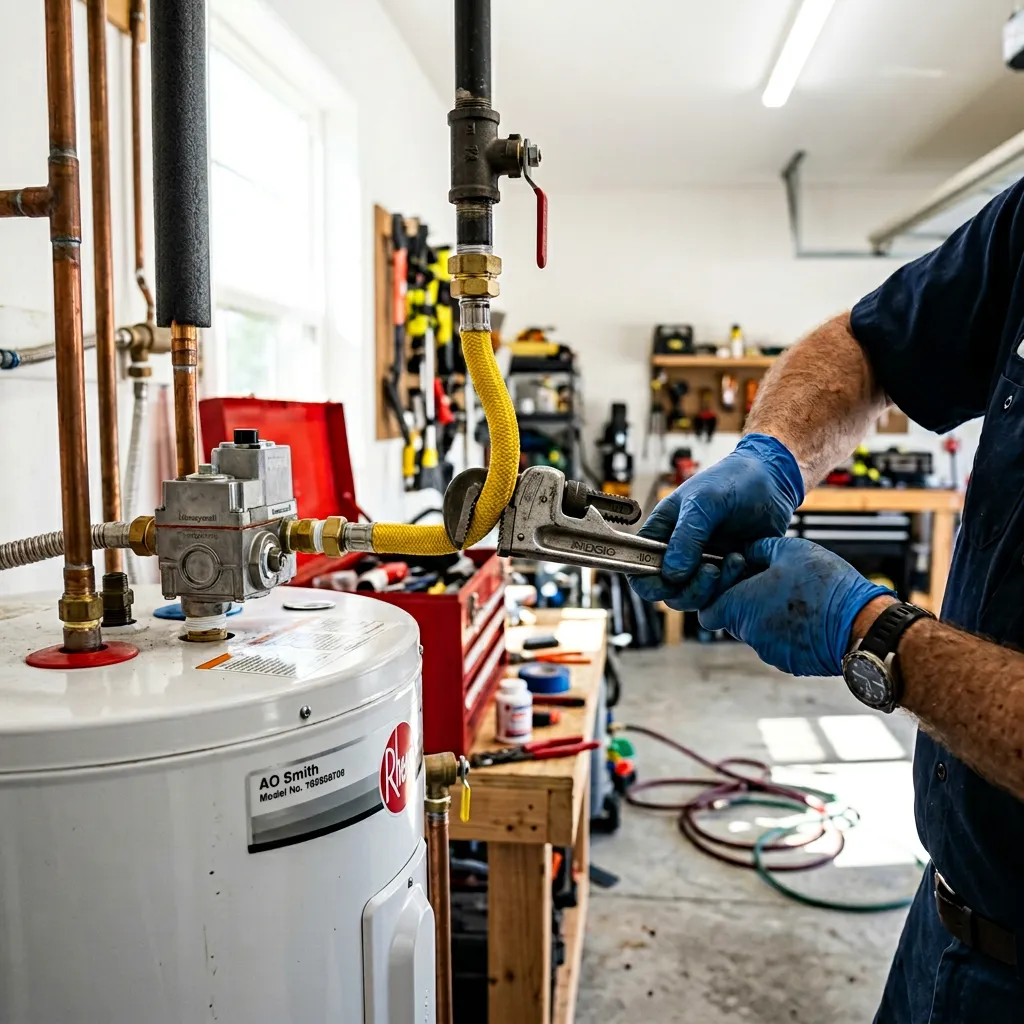
Step 1: Turn Off the Water Supply
Find the cold water shut-off valve at the top of your water heater and turn it clockwise (righty-tighty). This stops more water from flowing into the tank and making the situation worse.
Can't find the valve? No worries — shut off the main water supply to your house. It's usually near the front of your home or by the water meter.
Step 2: Turn Off the Energy Source
For gas water heaters: Turn the gas control knob to "OFF" or "PILOT." If you smell gas — and we mean even a whiff — leave the house immediately and call PG&E's emergency line at 1-800-743-5000. Do not flip any light switches or use your phone inside the house. Gas leaks are no joke.
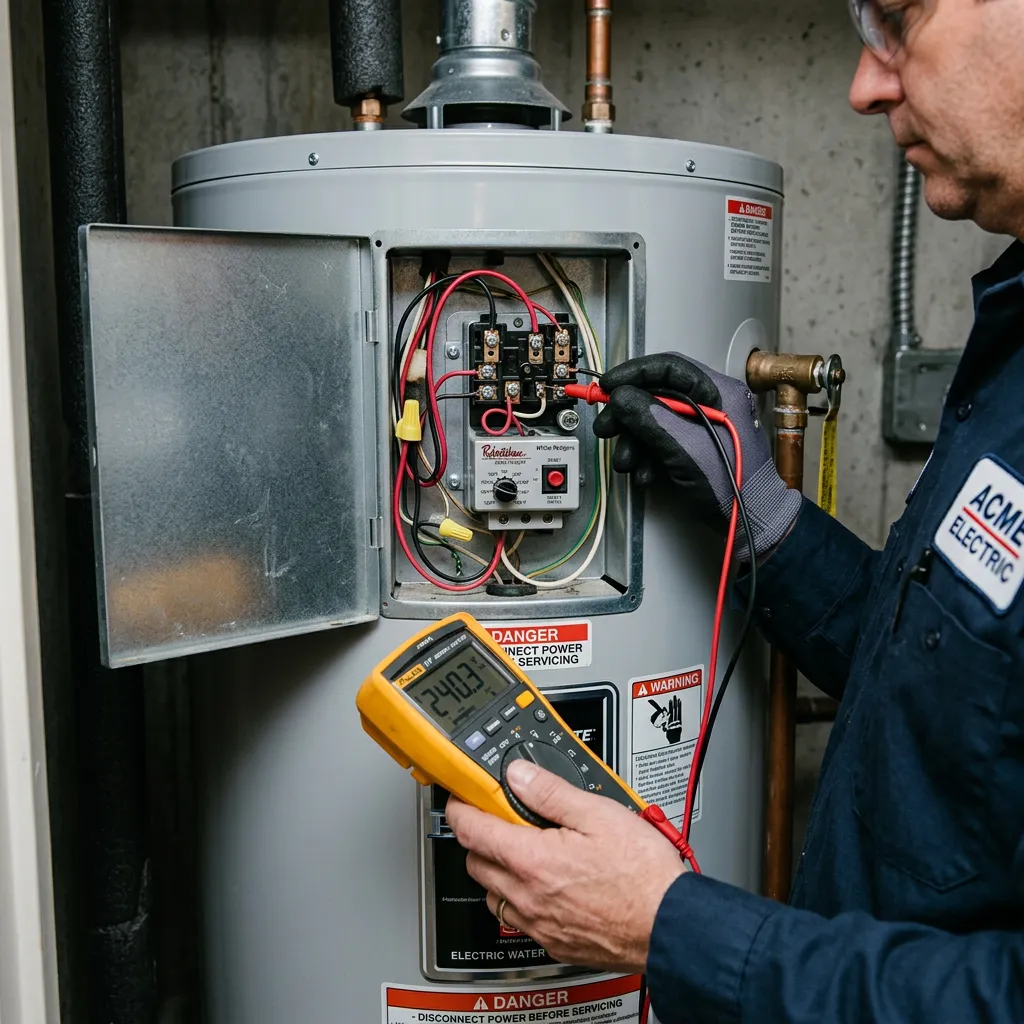
For electric water heaters: Go to your electrical panel and flip the breaker for the water heater to the OFF position. If the area around your water heater is flooded, do not step in the water to reach the unit — go straight to the main breaker panel instead.
Step 3: Assess the Damage
Once things are shut off, take a quick look at what's happening:
- Active leak from the tank: If water is coming from the tank itself (not a fitting or valve), the tank has likely failed. We can confirm when we arrive, but mentally prepare for a replacement.
- Leak from the top: Could be a loose inlet/outlet connection or a failing T&P valve. Often repairable.
- No hot water but no leak: Could be a pilot light issue, tripped breaker, failed thermostat, or heating element. Usually repairable.
- Rumbling or popping sounds: Severe sediment buildup. The unit might still be saveable with a professional repair and flush, depending on the extent.
Step 4: Minimize Water Damage
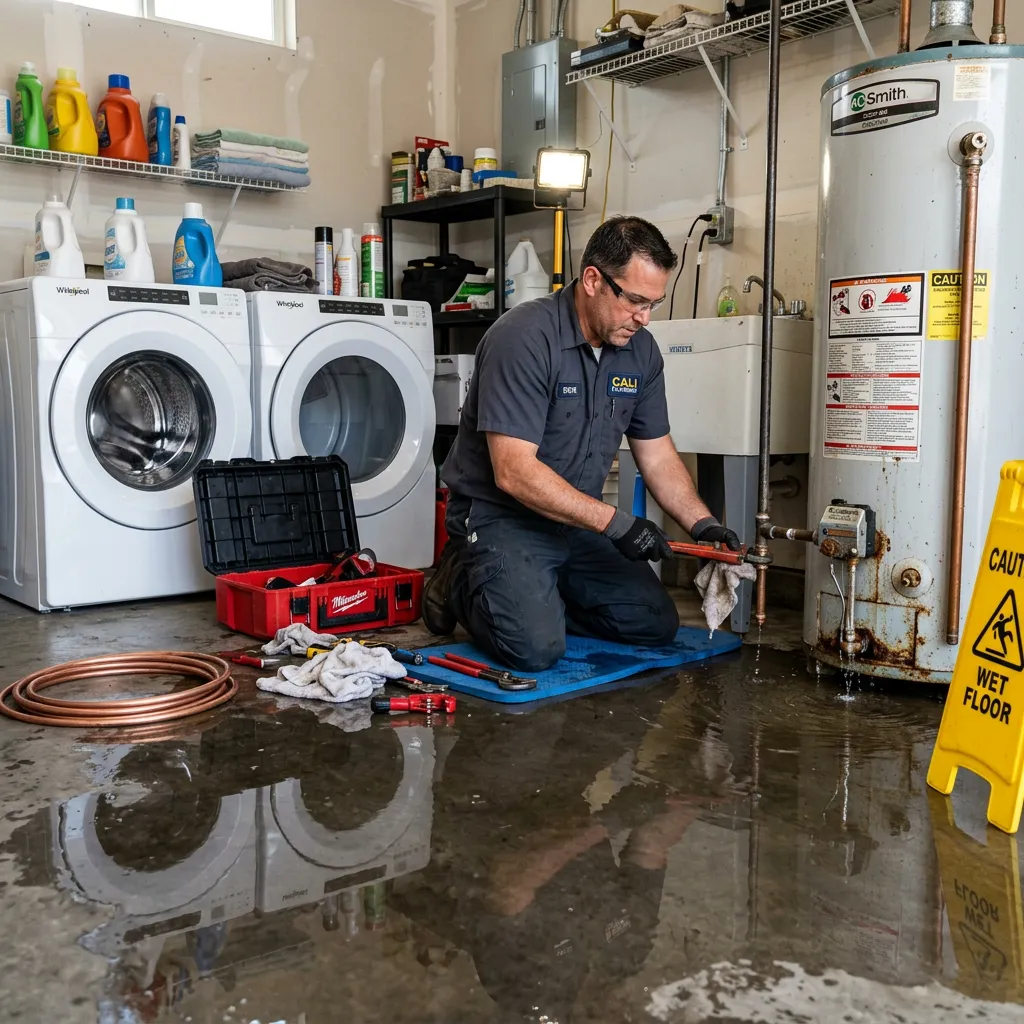
If there's standing water, here's how to limit the damage:
- Move any boxes, electronics, or valuables away from the wet area.
- Use towels, blankets, or a wet/dry vacuum to soak up water.
- If the water heater is upstairs (some Santa Cruz homes have them in attic spaces), place buckets and towels to catch any water dripping through the ceiling.
- Open windows or set up fans to start drying the area — mold loves our coastal moisture.
Step 5: Call Us
Call (831) 555-0192. We answer emergency calls 24 hours a day, 7 days a week. Yes, even during the Santa Cruz County Fair. Yes, even on Christmas.
When you call, it helps to tell us:
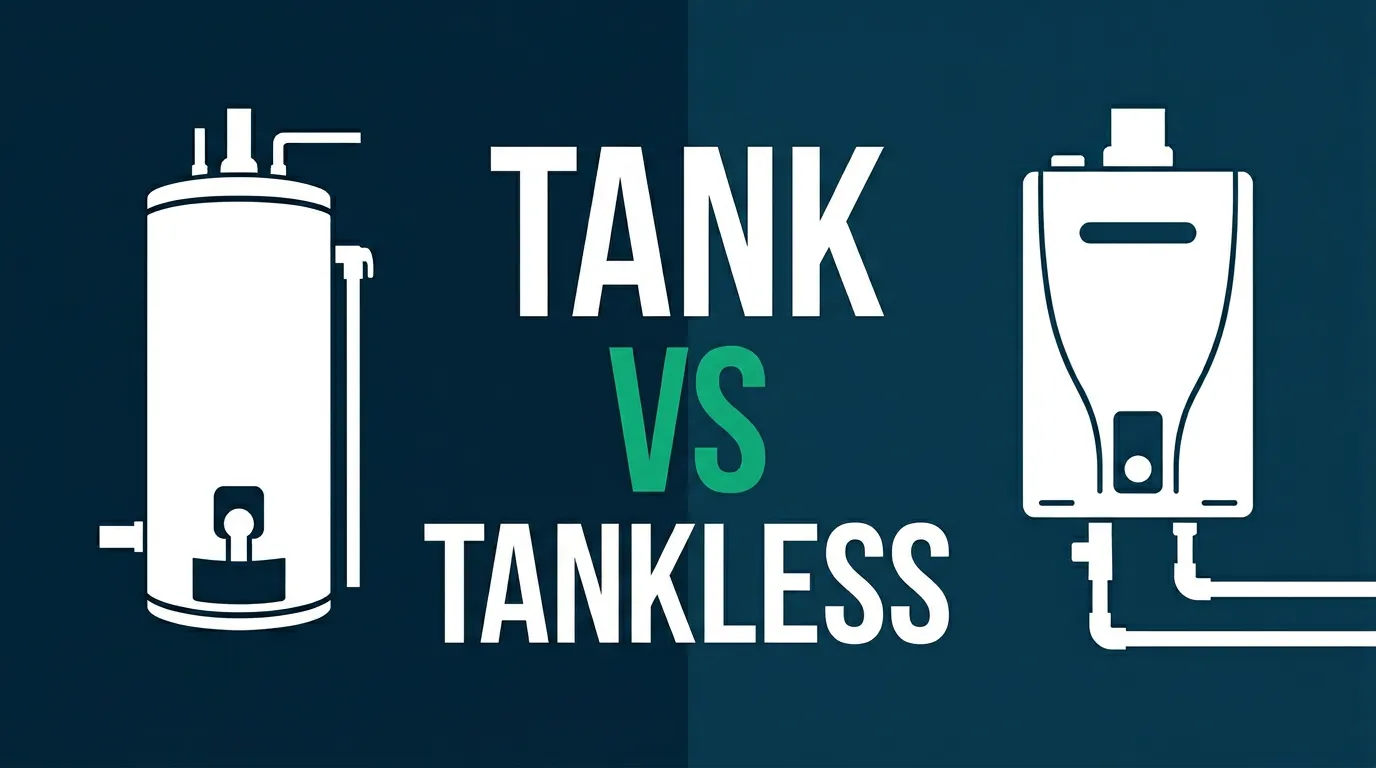
- What type of water heater you have (gas or electric, tank or tankless)
- What's happening (leak, no hot water, strange noises, etc.)
- Whether you've been able to shut off the water and energy supply
- Your location in Santa Cruz County
This helps us send the right technician with the right parts, so we can fix things faster when we arrive.
What NOT to Do During a Water Heater Emergency
- Don't try to repair it yourself in a panic. YouTube videos are great for learning how to wax a surfboard. They're less great for emergency plumbing at midnight.
- Don't ignore a gas smell. If you smell gas, get out of the house. Period.
- Don't use the water heater after a major leak. Even if the leak seems to have stopped, running the unit before a professional inspects it can cause further damage or safety hazards.
- Don't wait to see if it "gets better." Water heater problems never resolve themselves. They only get worse — and more expensive.
Helpful Video: Understanding Water Heater Relief Valve Leaks
A leaking T&P (temperature and pressure) relief valve is one of the most common water heater emergencies. This video from Everyday Home Repairs walks you through why it happens and how to fix it safely.
Emergency Repair Costs
We won't sugarcoat it: emergency repairs cost more than scheduled ones. After-hours and weekend calls typically run 20-30% more than standard rates. But we'll always give you a clear price before we start any work — no surprises when you're already having a bad day.
| Emergency Service | Typical Cost |
|---|---|
| Emergency diagnostic + minor repair | $200 – $400 |
| Major component replacement (after-hours) | $350 – $700 |
| Emergency tank replacement | $1,500 – $3,000 |
For a full pricing breakdown, check out our repair cost guide.
How to Prevent Future Emergencies
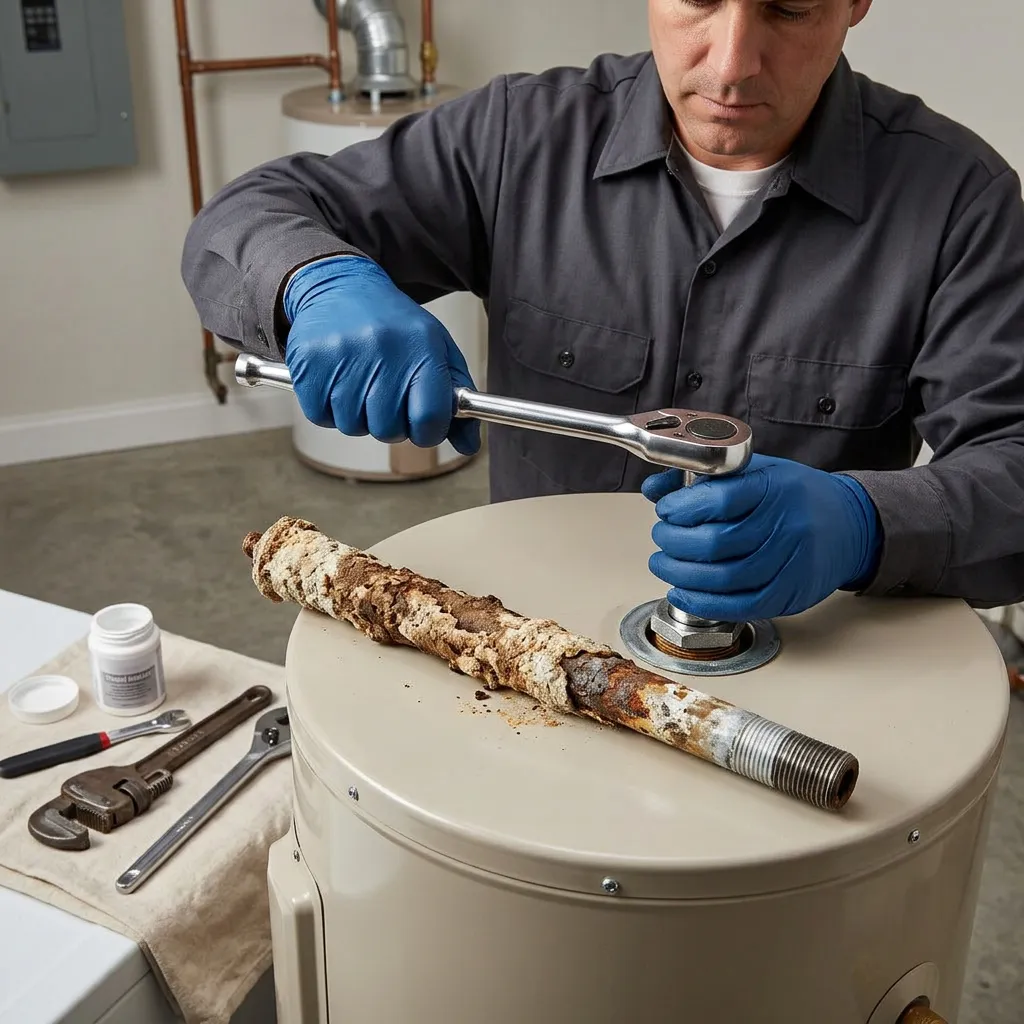
The best emergency is the one that never happens. Regular maintenance catches 90% of the problems that lead to emergency calls. We offer annual maintenance packages that include flushing, anode rod inspection, and a full safety check.
Also worth knowing: the average water heater gives warning signs for weeks or months before it fails completely. If you're not sure whether your unit is on its last legs, check our guide on signs your water heater needs replacement.
Remember: a water heater emergency feels like a crisis, but it's really just a plumbing problem. And plumbing problems are what we do. Call (831) 555-0192 — we'll get you back to hot water.